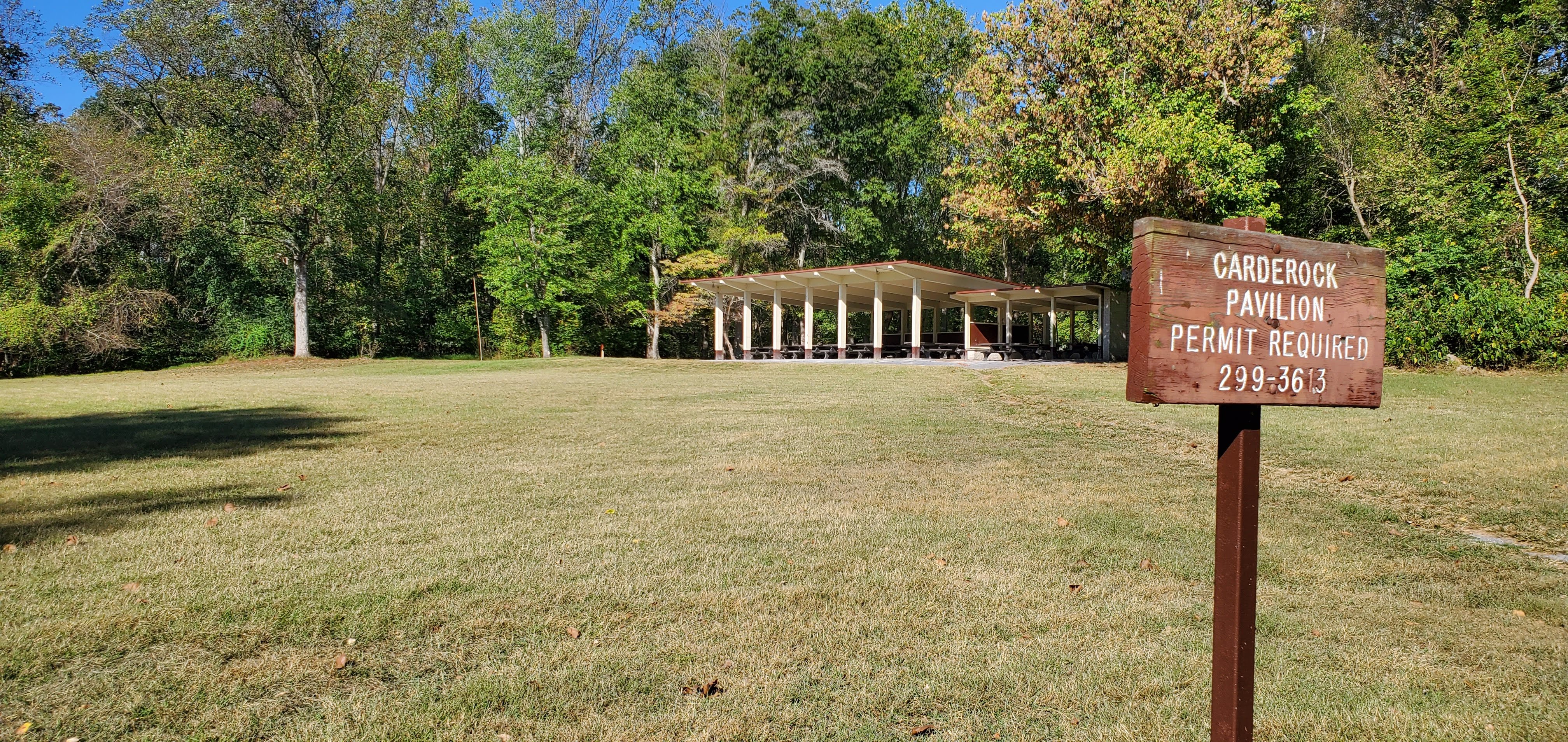
Camp NP-2-Md. - Carderock picnic pavilion
Dublin Core
Title
Camp NP-2-Md. - Carderock picnic pavilion
Description
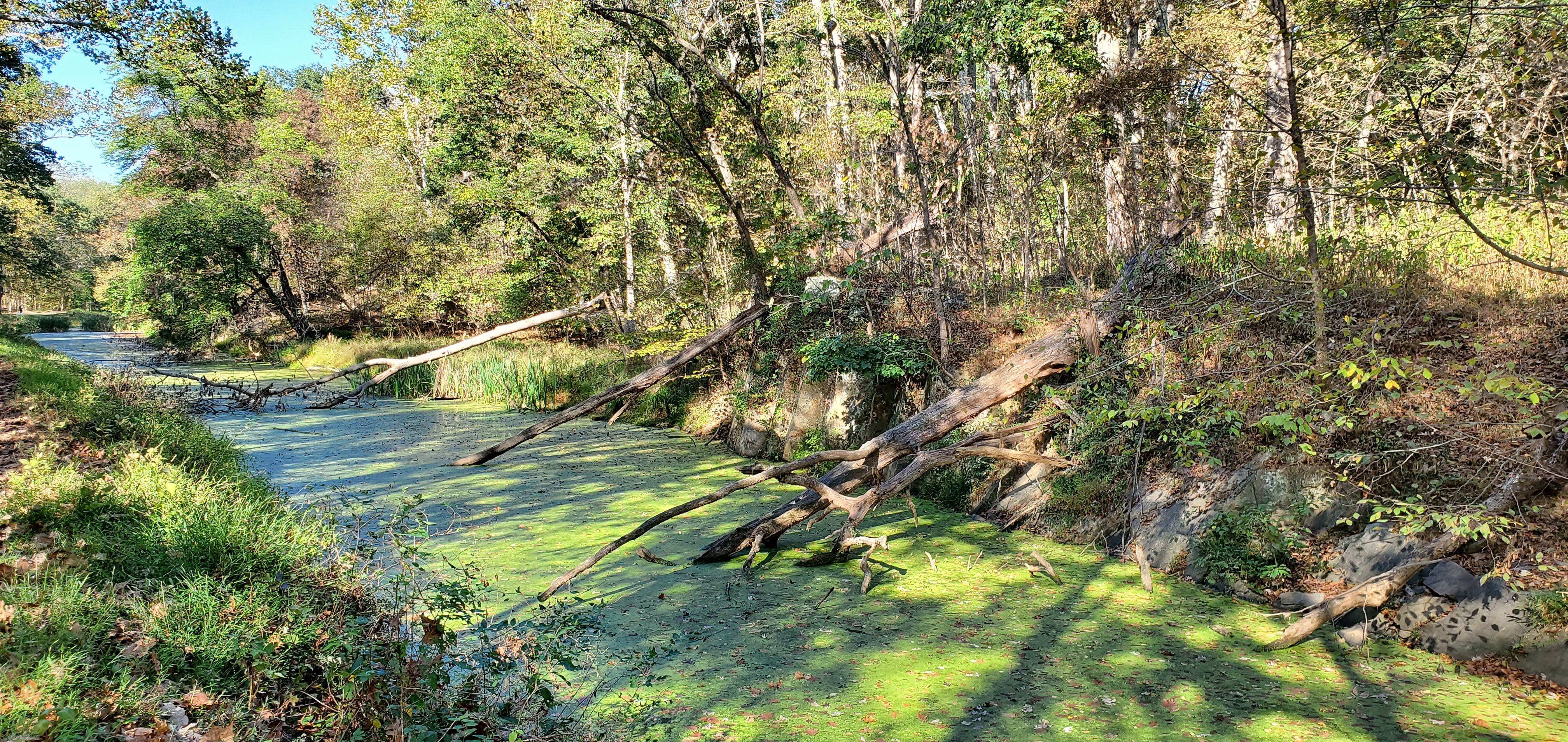
Chesapeake and Ohio Canal - Potomac MD
Carderock picnic pavilion - previously Camp NP-2-Md.
Carderock picnic pavilion - previously Camp NP-2-Md.
Creator
Nicolas Karolewicz
Source
https://livingnewdeal.org/projects/chesapeake-and-ohio-canal-washington-dc/
Date
1939
Rights
Creative Commons
Format
Photograph - Samsung Note 10+ - Digital Image
Sound - Samsung Note 10+ - Audio Recording
Sound - Samsung Note 10+ - Audio Recording
Language
English
Place-Based Stories Item Type Metadata
Date
5th of October, 2019
Format
Photograph - Samsung Note 10+ - Digital Image - jpg
Sound - Samsung Note 10+ - Audio Recording - wav
The first picture shows the site. We can see how peaceful the site is but we can imagine that it was a busy place back in 1939.
The second one is part of the Chesapeake and Ohio Canal. Trees fell in the canal. It is not well maintained anymore. Currently, questions can be raised about the interest of this canal and its allocated budget.
The sound track was recorded on site and helps us imagine both the current and past atmosphere.
Sound - Samsung Note 10+ - Audio Recording - wav
The first picture shows the site. We can see how peaceful the site is but we can imagine that it was a busy place back in 1939.
The second one is part of the Chesapeake and Ohio Canal. Trees fell in the canal. It is not well maintained anymore. Currently, questions can be raised about the interest of this canal and its allocated budget.
The sound track was recorded on site and helps us imagine both the current and past atmosphere.
Narrative
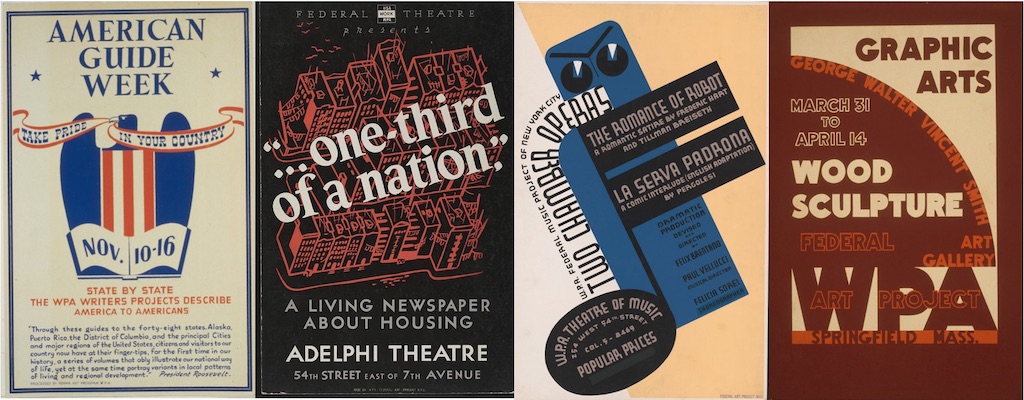
What is nowadays known under the name of “Carderock Picnic Pavilion” was actually a working camp “NP-2-Md.” in 1939.
The project was led by the CCC (Civilian Conservation Corps) who enrolled 200 workers to rehabilitate the Chesapeake and Ohio Canal. Under the New Deal, programs like this brought the economy up by giving jobs and maintaining public infrastructures. Enrollees were paid $30 per month of which $25 would be sent to their home.
I decided to use my smartphone. Indeed, I could record sounds and take picture with it.
In the 1930s, machines (engraver, recorder, cameras) were heavy and hard to transport. Thanks to a smartphone, you could walk along the canal, find the pavilion and be ready to catch the perfect instants of life in the surroundings. In the 1930s, people could not share information and communicate as we do today. Indeed, smartphones are connected to social networks, so you can share your experience in direct time with anyone in the world.
The process of collecting records is the same than in the 1930s. Indeed, creating a documentary now or then required to collect artifacts, take pictures, record sound, and film. We all want to share an experience, bring emotion to the audience, remind them of the past, and build a future. We all try to bring our senses to work, from a smell, a sound, an image, and by the touch, to recall moments of history.
The project was led by the CCC (Civilian Conservation Corps) who enrolled 200 workers to rehabilitate the Chesapeake and Ohio Canal. Under the New Deal, programs like this brought the economy up by giving jobs and maintaining public infrastructures. Enrollees were paid $30 per month of which $25 would be sent to their home.
I decided to use my smartphone. Indeed, I could record sounds and take picture with it.
In the 1930s, machines (engraver, recorder, cameras) were heavy and hard to transport. Thanks to a smartphone, you could walk along the canal, find the pavilion and be ready to catch the perfect instants of life in the surroundings. In the 1930s, people could not share information and communicate as we do today. Indeed, smartphones are connected to social networks, so you can share your experience in direct time with anyone in the world.
The process of collecting records is the same than in the 1930s. Indeed, creating a documentary now or then required to collect artifacts, take pictures, record sound, and film. We all want to share an experience, bring emotion to the audience, remind them of the past, and build a future. We all try to bring our senses to work, from a smell, a sound, an image, and by the touch, to recall moments of history.
Collection
Citation
Nicolas Karolewicz, “Camp NP-2-Md. - Carderock picnic pavilion,” HIST 390 The Digital Past: A Cultural New Deal, accessed October 9, 2026, https://jessicadoeshistory.com/cnd/items/show/194.