Municipal Improvements - Occoquan VA
Dublin Core
Title
Municipal Improvements - Occoquan VA
Description
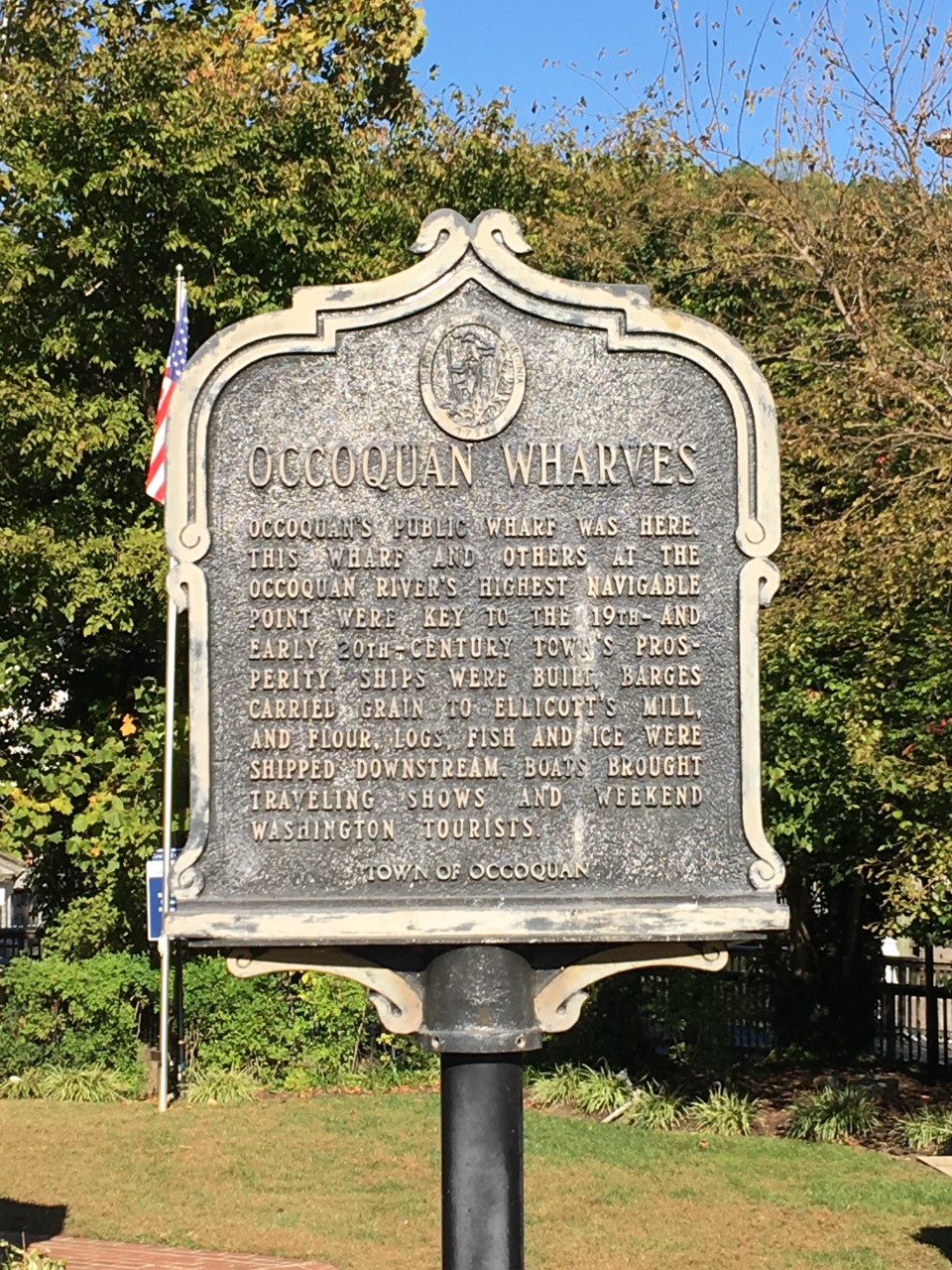
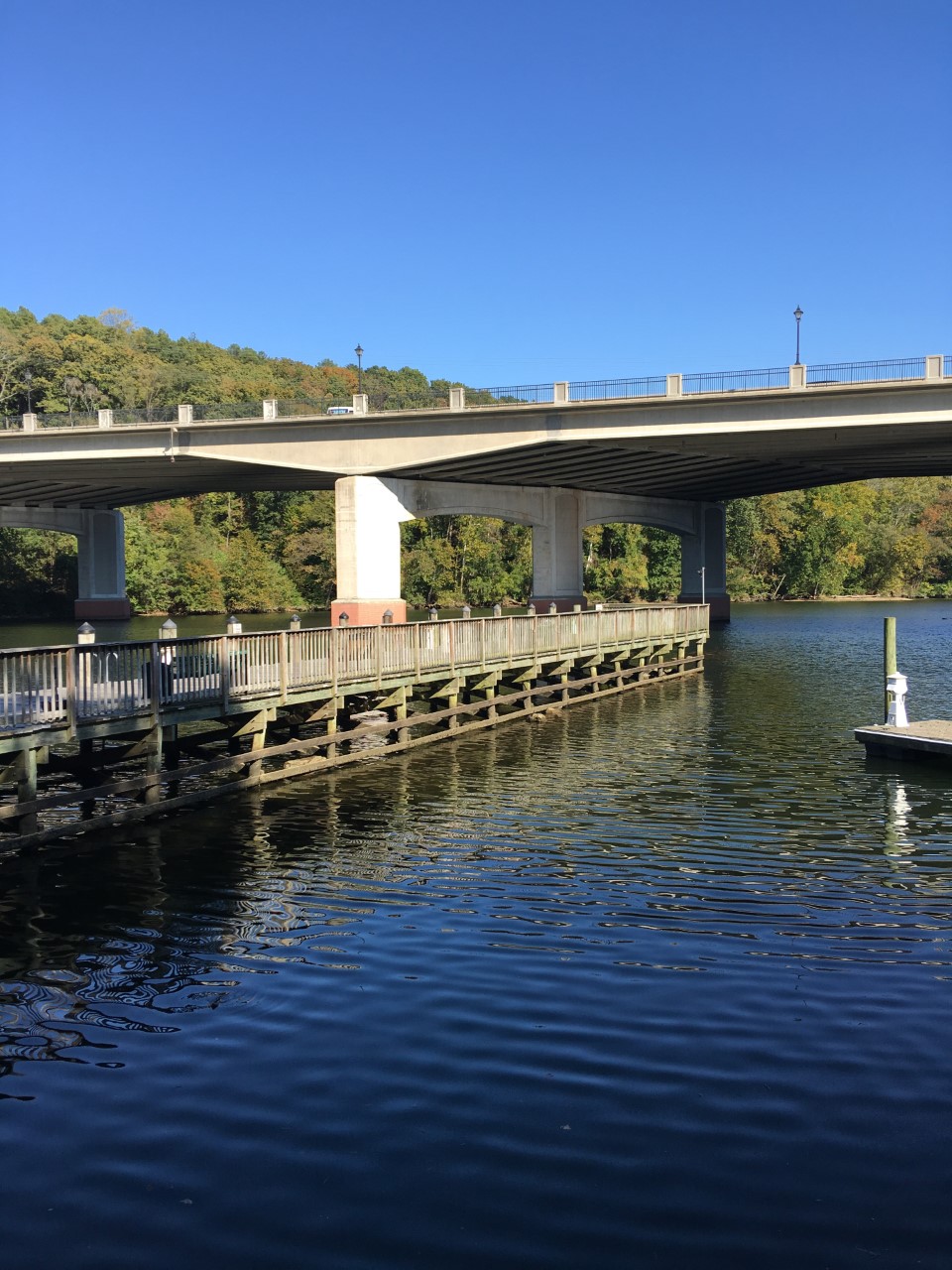
Constructed between 1933 and 1934 by the CWA along the Occoquan River, these wharves were essential to the town of Occoquan's well-being. Those vessels that stopped at the wharves brought a variety of goods into the town, including flour, lumber, and fish as well as tourists from the nation's capital - Washington D.C.
Creator
Nathaniel Smith
Source
https://livingnewdeal.org/projects/municipal-improvements-occoquan-va/
Date
1933
Rights
Creative Commons
Place-Based Stories Item Type Metadata
Date
October 14, 2019
Format
contemporary photography, historical photography, models, and text
Narrative
When I began my visit to the town of Occoquan, I was full of confidence that I would be able to find information on the wharf created by the CWA in the early 1930s. However, after conversing with several credible authorities on the town's history, I came to realize that the history of this wharf has almost been forgotten. I had to know why.
The town has always relied upon the river from which it receives its name. The Occoquan carried goods such as flour, lumber, and fish into the town as well as tourists from Washington D.C. The town clearly was reliant on its wharves, but why was so little attention paid to the wharf created by the CWA? I believe that the reason lies in the fact that only one wharf was created by the CWA and that other wharves existed at the time of its construction. The additional wharf provided additional commerce in the town, but when it is considered in terms that a modern American might understand, the CWA's wharf acted as another rest stop for drivers. At the wharf, ship workers could unload their goods, but those in the town were ultimately responsible for their production, consumption, and sale.
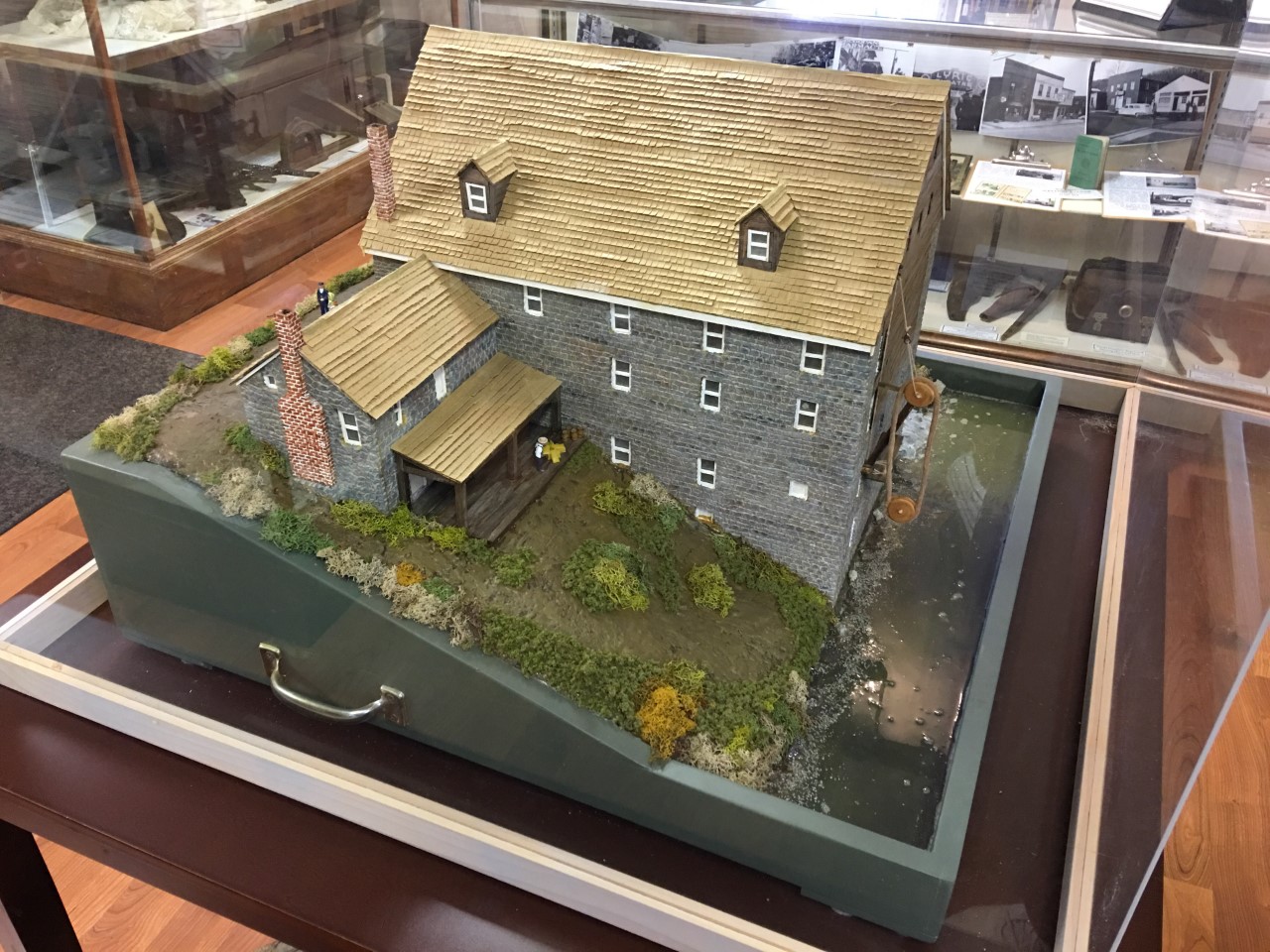
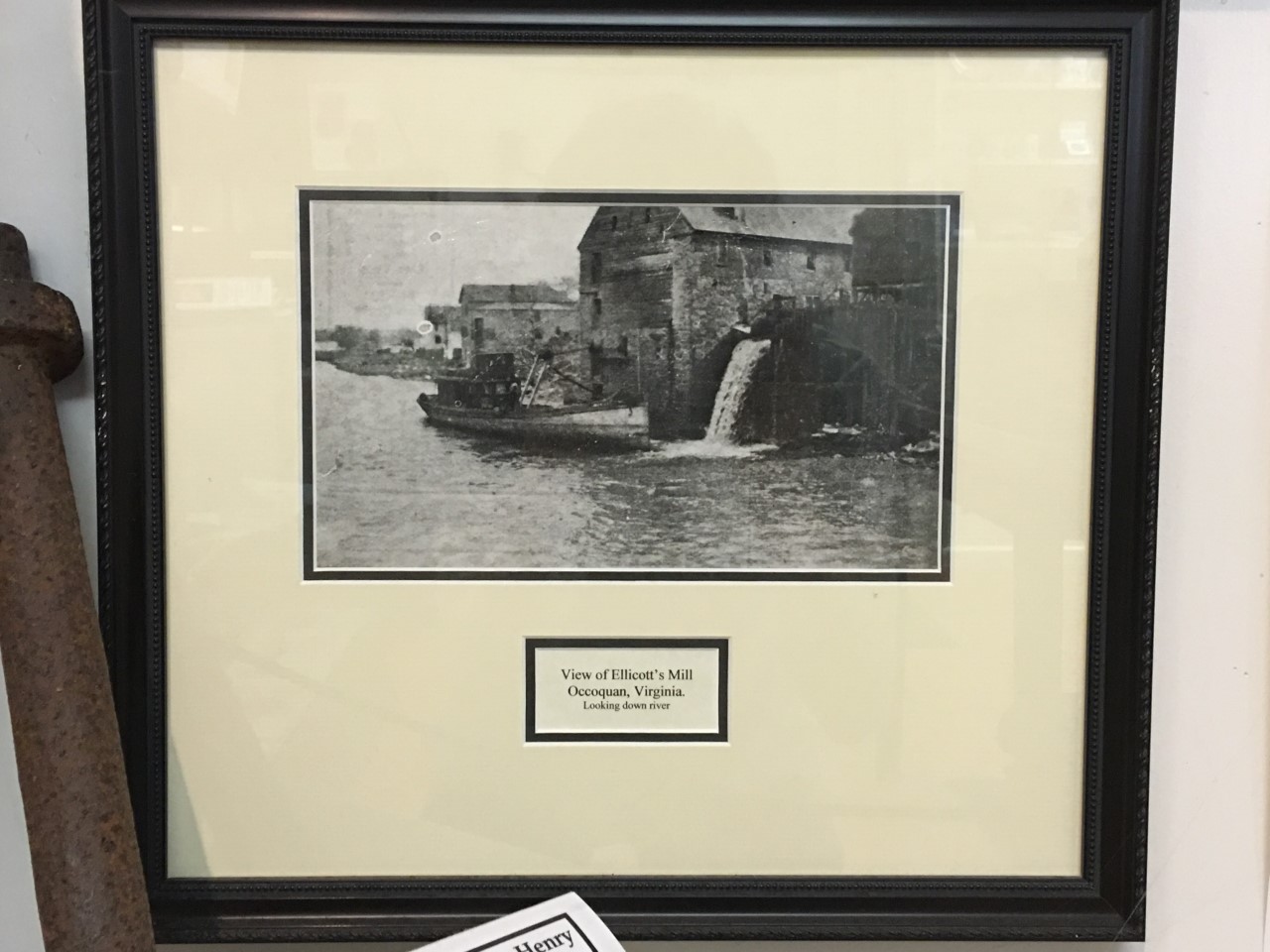
To further clarify, consider the Occoquan Mill House. Here, grains brought from the Occoquan River were processed into flour and then resold. The Wharves that brought these grains to the mill are almost entirely excluded from the narrative.
When wondering why the CWA's wharf has been denied the attention it deserves, I believe that the answer lies in the fact that the people of Occoquan were the ones responsible for those goods and the tourists that visited the town. Without the town's people, the goods delivered by the Wharves would have been without use.
The town has always relied upon the river from which it receives its name. The Occoquan carried goods such as flour, lumber, and fish into the town as well as tourists from Washington D.C. The town clearly was reliant on its wharves, but why was so little attention paid to the wharf created by the CWA? I believe that the reason lies in the fact that only one wharf was created by the CWA and that other wharves existed at the time of its construction. The additional wharf provided additional commerce in the town, but when it is considered in terms that a modern American might understand, the CWA's wharf acted as another rest stop for drivers. At the wharf, ship workers could unload their goods, but those in the town were ultimately responsible for their production, consumption, and sale.
To further clarify, consider the Occoquan Mill House. Here, grains brought from the Occoquan River were processed into flour and then resold. The Wharves that brought these grains to the mill are almost entirely excluded from the narrative.
When wondering why the CWA's wharf has been denied the attention it deserves, I believe that the answer lies in the fact that the people of Occoquan were the ones responsible for those goods and the tourists that visited the town. Without the town's people, the goods delivered by the Wharves would have been without use.
Collection
Citation
Nathaniel Smith, “Municipal Improvements - Occoquan VA,” HIST 390 The Digital Past: A Cultural New Deal, accessed September 18, 2026, https://jessicadoeshistory.com/cnd/items/show/217.