John and Ruby Lomax's Southern States Recording Trip
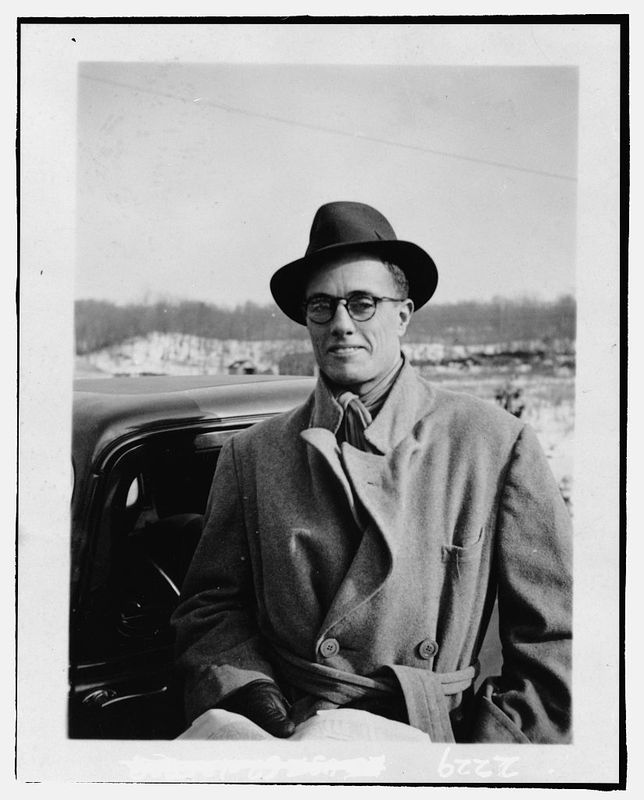
When John and Ruby Lomax ventured across the southern states in 1940 they probably did not realize the great importance of their mission. In their "Southern Mosaic" they traveled more than 6500 miles and recorded more than 300 performers.
Their recordings are so important because they represent part of the country that is often overlooked and under represented. Their work in interviewing freed people gives a voice to oppressed people, adding their stories to the American culture "collection". These people had often gone unseen, even their birthdates go unrecorded. To be included in the work of the WPA and Federal Writer's Project was uplifting and meaningful. It meant that they were part of the American story. They were Americans and they mattered, for a group that had been exploited as they were this was impactful.
As part of the John and Ruby Lomax 1940 Southern States Recordings Collection and
Voices Remembering Slavery: Freed People Tell Their Stories collections the Lomaxes interviewed Uncle Bob Ledbetter in Oil City, Louisianna.
Let's listen to Uncle Bob Ledbetter tell his Story.
The interview takes place in 1940 and Uncle Bob is 73. He was probably about 10 years old when his father taught him to read, a teen when he saw his friends in jail and 21 when he voted in the 1892 Presidential Election. Uncle Bob married when he was 20 in 1887
Source:
Lomax, John and Ruby. Library of Congress. “Interview with Uncle Bob Ledbetter, Oil City, Louisiana, 1940”. https://www.loc.gov/item/afc1940003_afs03992a/ Accessed Nov. 22, 2019.
Library of Congress. Born in Slavery: Slave Narratives from the Federal Writers' Project, 1936 to 1938. "About this Collection". Accessed 12/4/19. https://www.loc.gov/collections/slave-narratives-from-the-federal-writers-project-1936-to-1938/about-this-collection/