El Camino Largo
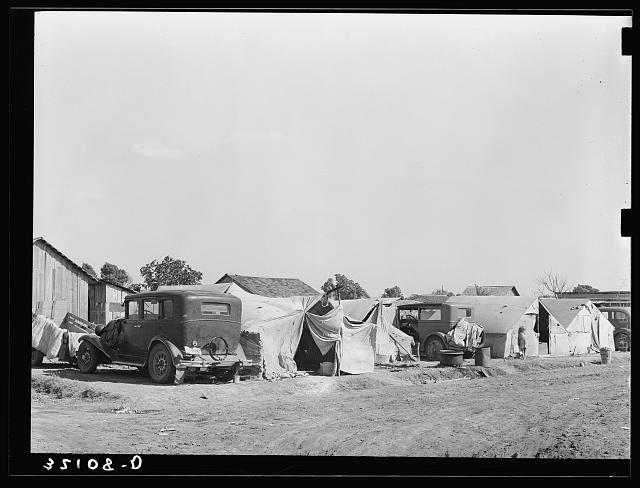
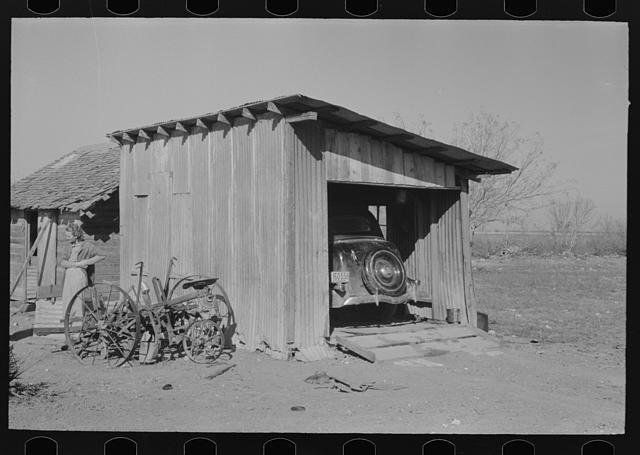
Migrants were, of course, spread out throughout the US, but remained most tightly concentrated in Texas. Most were located barely miles from the border. The most squalid locations-- those in Weslaco and Santa Maria-- were practically within eyesight of Mexico. Just how much difference was there between Mexico and Texas at that juncture? What surprised me, when compiling and studying my Storymap, was just how close in proximity the migrant communities in my population sample were. The Weslaco camp faced some trouble from white migrants, who didn't trust the Mexican-Americans or the FSA camp, believing it to be a 'concentration camp'. (Lee) External pressures were felt most strongly in these places, where white migrants and Hispanic migrants had the most reason to be at loggerheads, that nostalgia for Mexico would be bred by resentment of America.
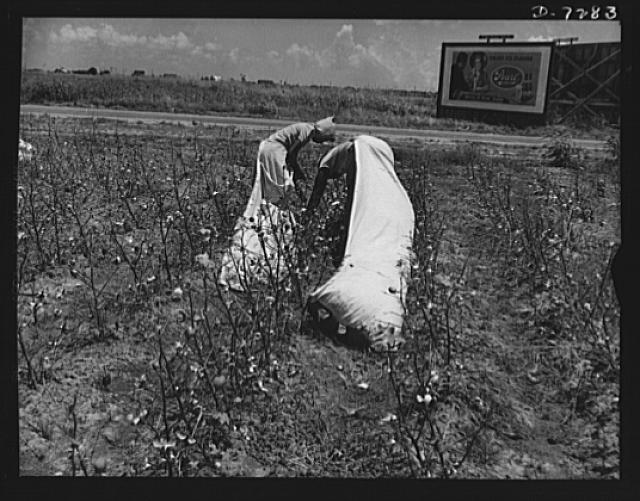
It would be shallow to say that these camps and shantytowns were totally resentful. The pictures at Corpus Christi and Santa Maria, along with Russell Lee's reporting, reveal a significant amount of codependency between Mexican-Americans and native Texans. White vegetable farmers in Santa Maria, Texas often helped out Mexican migrants, feeling "a definite responsibility to the Mexican and saw that he was cared for in bad seasons". During World War II, Mexican-American workers helped American workers pick cotton in Corpus Christi when a shortage threatened to devastate the crop. (Lee) In these places, Mexican identity and American identity can feel married; Bindas summarises it best in his discussion of the cultural leaders Los Ricos, who "advised their community to preserve its Mexican heritage in order to understand American culture better. They believed that by retaining strong ties to Mexico, closer ties to the United States could be made... the Los Ricos advised their people to remember their former country's culture, but to transfer loyalty to their adopted home, the United States." (Bindas, pg. 97)