Breaking Boundaries for Disadvantaged Americans
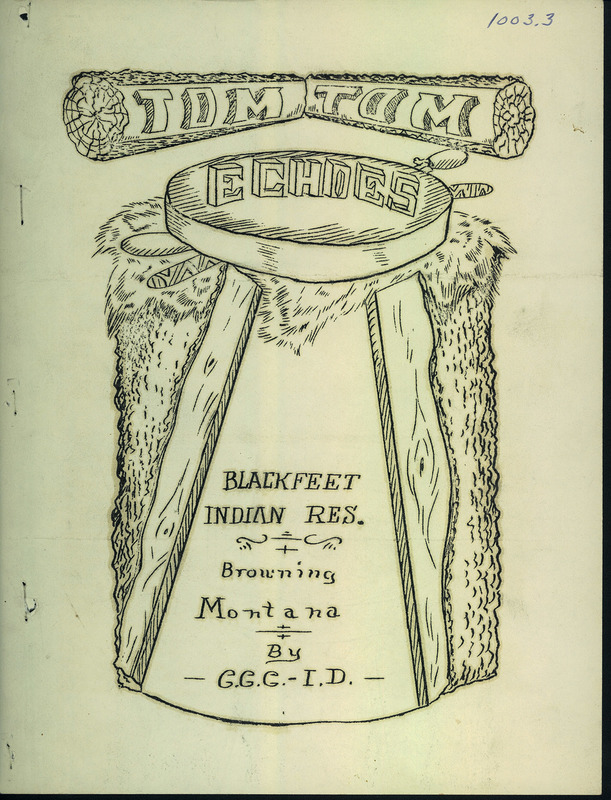
Women were not the only previously disadvantaged group who found themselves at a historic turning point upon the conception of New Deal Agencies. Native Americans were already largely overlooked peoples and were struck nearly the hardest by the economic collapse. Aside from the WPA, one of longest-lived, and most influential agencies of the New Deal, was the Civilian Conservation Corps, or CCC. The CCC Indian Division (CCC-ID), in tandem with the Indian Emergency Conservation Work (IECW) which was designated a separate organization, were banded to improve the lived of Native Americans during the recovery efforts of the 1930s (The CCC Indian Division). While many of the jobs designated for employees of the CCC-ID were locally-focused labor positions, the creation of a program designated solely towards aiding Native Americans effected by the Depression was a significant step towards reversing the neglect that Native Americans had previously faced.
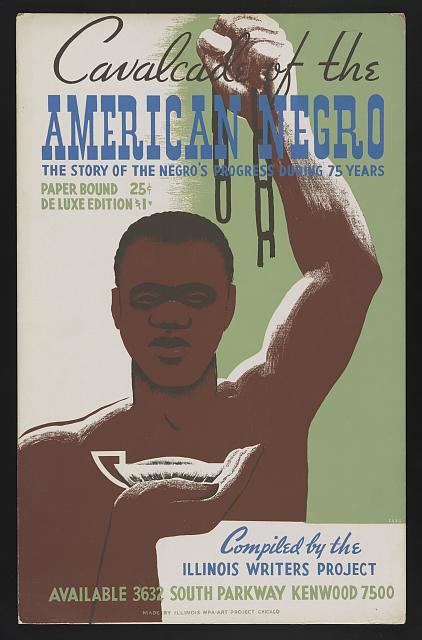
African Americans as well were among some of the most affected groups of Americans during the Great Depression. However, social blockades that had segregated American society for the past few decades became obsolete, and projects within the WPA transformed the American workplace for African Americans. Two of the projects which played the strongest part in integrating African Americans into the 1930s workforce were the Federal Writers Project, and the Federal Art Project. The Federal Arts project sponsored many projects which gave African Americans not only jobs within the arts, but gave them the opportunity to have original works displayed.
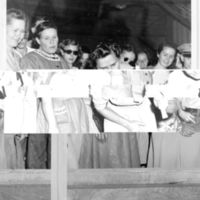
The image to the left, pictures a woman in a migrant camp in Arvin, California in a crowd with a hammer in hand. The image documents a nail driving competition, one of the recreational activities sported at migrant camps. The image to the right is a skewed, glitched portrayal of the same event. Glitching is such a symbolic form of pushing a point- it prompts both the author and the reader to draw upon their reading and allows them to form their own informed opinion of what the glitched image might represent, given the context. In this purpose, the glitched image represents the dissolutions of boundaries imposed on women as a minority and the sense of community which was found by everyone affected by the Depression. However, outside of the context of a recreational nail driving event, it may also be interpreted as the breaking of gender roles imposed upon women, and the effect of the WPA and migrant camps in evening the employment playing field between men and women.