
Conclusion
In 1932, unemployment had peaked at twenty-five percent.[1] Americans were in dire need for jobs, and accordingly, labor rights and conditions were expendable to the employers. It was an impressionable time in which things could have gone south pretty quickly for the working class. President Roosevelt not only prioritized putting people to work, but also their rights as laborers and human beings.
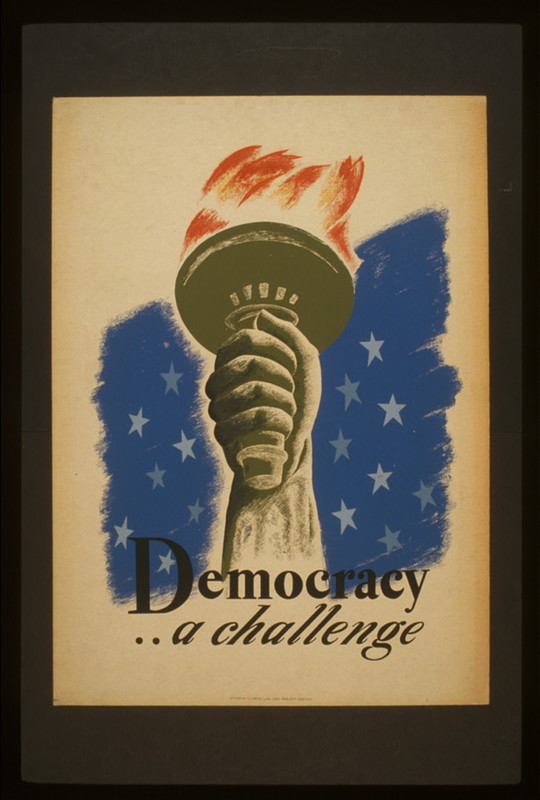
The Works Progress Administration complimented Roosevelt's legislative policies on labor by giving American’s a glimpse into a reimagined life that prioritized the individual’s health and wellbeing over their work. Although the New Deal was not inherently radical in its intent, it created "major structural change in American law and labor relations."[2] Creative action, through music, theatre, and the WPA artwork, helped the nation consider rehabilitation and pleasure to be a necessity and a human right, not simply a complementary desire.
Although Roosevelt's policies on labor were highly transformative of working class culture, so were the agencies that created physical and cultural space for leisure. His campaign on labor was a nationwide reminder to the entrepreneurs that labor is not dispensable. And it was a reminder to the laborers to value their safety, livelihood, and their rights as human beings.
Under President Roosevelt, the federal government assumed responsibility for the well-being of its people, in a way that it had never done before. Michael Hobbes argues that under Ronald Reagan and Bill Clinton, the meaning of “responsibility” changed by becoming individualized. It is now the duty of the individual to earn the benefits that America has to offer; education, healthcare, housing, a minimum wage, and more, are propagandized as "benefits" instead of human rights. During the Great Depression, “Americans looked to their government as the last barrier against starvation, hopelessness, and perpetual poverty."[3] Is it necessary to wait till we are absolutely devastated to enact change, or can we find the courage to reimagine a better life once more?
Bibliography
[1] The American Yawp. "VII. Franklin Delano Roosevelt and the "First" New Deal." Accessed December 10, 2019. http://www.americanyawp.com/text/23-the-great-depression/#VI_Migration_andthe_Great_Depression
[2] Park, Marlene and Gerald E. Markowitz, "New Deal for Public Art" in Critical Issues in Public Art. Edited by Harriet F. Senie and Sally Webster. Michigan: IconEditions, 1992.
[3] The American Yawp. "VII. Franklin Delano Roosevelt and the "First" New Deal." Accessed December 12, 2019. http://www.americanyawp.com/text/23-the-great-depression/#VI_Migration_andthe_Great_Depression