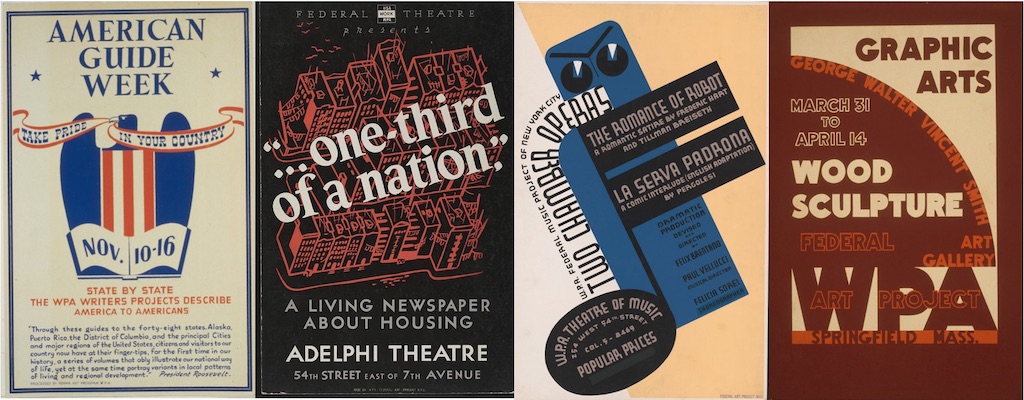
Image Annotation: In the Public Eye and In Everyday Life
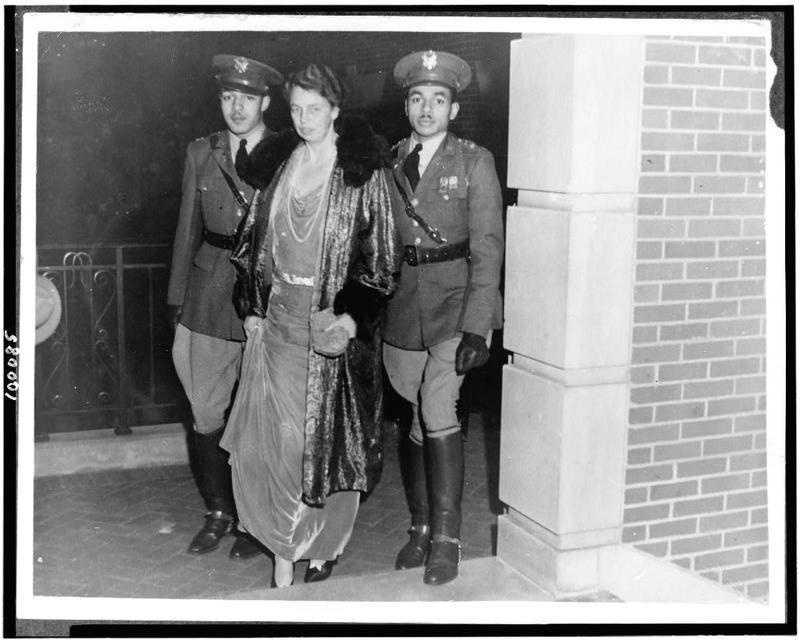
Eleanor Roosevelt was the First Lady of the United States, and a skilled politician in her own right. She was the first, First Lady, to pull her own salary while her husband was President. She had a newspaper column throughout her years in the White House, until her death in 1962. Eleanor earned money through speaking engagements, advertising, and writing, both while in the White House and after. She also served in the United Nations and helped draft the Declaration of Human Rights. A champion for equality, she exemplified the idea that women were more than just wives and mothers.
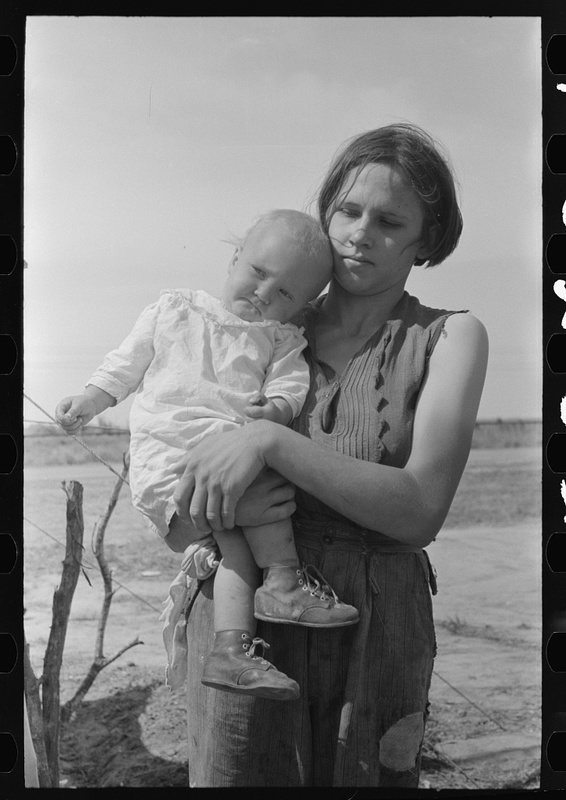
Mothers were a high percentage of the migrant population. Many women traveled on their own, in search of better lives for their children, as well as with their husbands. The hard work of these women is in no way any less important than those in the government. Many of them were farmers, and not only worked extremely hard in their homes, but also worked in the fields. Their labor was necessary in order to bring money into the home, and necessary to keep the home running. When their land dried up, or their husbands lost their jobs, they began to move. Many families ended up in migrant camps in California and Texas.
The dichotomy of migrant women, and women in the upper echelon is extremely visible in photographs, and image annotation allows those differences to be shown in a way that's more accessible. Eleanor exemplified what was possible for women, but she was born into a wealthy family, white, and married well. The Depression gave her many opportunities, and she was able to take advantage of them because of her inherent privilege. Migrant mothers were born into the working class, and were often not white, but they were extremely impressive and hardworking in their own right.