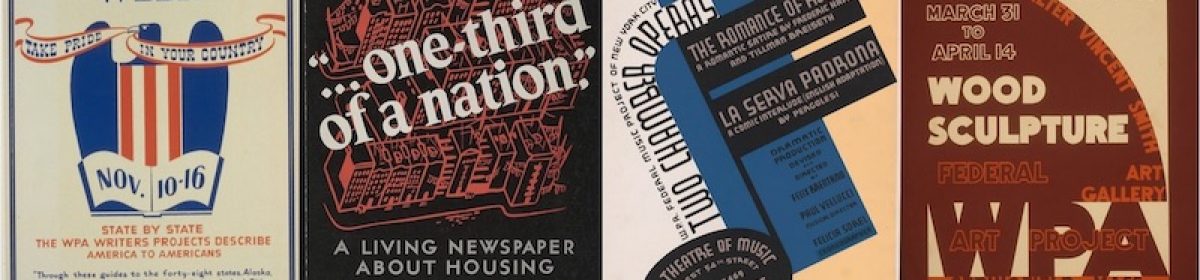
Morris Dickstein predicted that after the 2008 recession Americans would “demand lighter fare as people look to escape their troubles.” I think her prediction was flawed because the problem wasn’t that Americans demanded a lighter fare, rather it was the artists who were afraid to create more radical music. This isn’t a remark on their character, rather a critique of the system of music production and consumption that dominates popular culture. Big record labels do not want their artists producing music that would alienate a fanbase because that would lead to a decrease in profit. I would argue that Dickstein’s prediction was rudimentary, and it did not take the free-market’s effect on music and popular culture into consideration.
But to Dickstein’s credit, she’s not entirely wrong about the dominance of lighter-fare music. Based off of the music that tops the charts, I would argue that the majority of artists prioritize creating lighter-fare music over music that emphasizes social, economic and political issues. Yet, there are also artists who recognize people’s desire for music that has political implications: Kendrick Lamar, Beyonce, Janelle Monáe, Solange, Anderson Paak, and more. Music has historically been used as a form of resistance for the African American community and to say that American’s, as a blanket statement, would prefer a lighter fare after the 2008 recession ignores the racial division in popular culture.
That being said, I would argue that many artists still aren’t as radical as people portray them to be. For example, it’s pretty ridiculous that Kacey Musgrave’s song “Follow your arrow” created so much controversy. The song was banned from playing on the radio stations and was censored in the 2013 CMA awards. In the song, Musgrave’s makes direct references to LGBT culture and marijuana with, “kiss lots of girls if that’s something you’re into” and “roll up a joint, or don’t,” and apparently that’s just too much to handle.[1]
But the suppression of music that’s viewed as controversial in popular culture is prominent across the globe. Mashrou Leila, an indie-rock band from Lebanon, has been creating controversies from 2008 up to the present. The band’s lyrics are overwhelmingly and unapologetically about the dynamic between homosexuality, politics, and religion. Mashrou Leila* is an excellent example of how artists can create radical music that doesn’t adhere to the norm, or the “lighter fare” that Dickstein argues people desire. But at the end of the day, as Dickstein states, “as our troubles worsen, as stress morphs into anxiety and depression, we may desperately need the mixture of the real and the fantastic, the sober and the silly, that only the arts can bring us.”[2]
*My favorite band on Earth and I recommend listening to the songs “Cavalry” and “Shim El Yasmine” (read the translation for the lyrics).
[1] https://countryrebel.com/blogs/videos/this-country-song-was-banned-from-radio-play-but-now-the-lyrics-are-everywhere/
[2] https://www.latimes.com/la-oe-dickstein1-2009apr01-story.html
