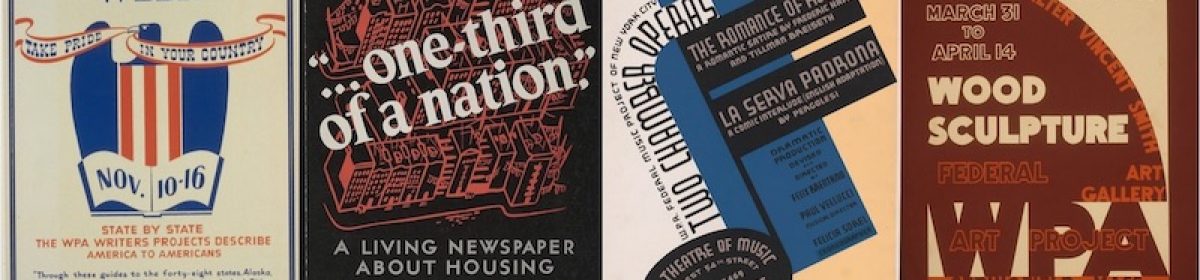
One of the most common human phenomena is the fact that we are social creatures, and the idea that sociality is often a diversion or an escape from reality, is not an idea that has been shy to many cultures. Undoubtedly, using movies, music, and the arts in all it’s various forms has been one of the most effective refuges in American history. The art of metaphorical escapism in the Great Depression 1930’s was largely the most important that art had ever been to that date. New Deal programs for the arts were some of the most morally-geared and uplifting facets implemented, and “Never before or since have the arts served such a much-needed social function, not even when helping to mobilize the nation in times of war” (Dickstein, 2009). While nothing quite as devastating has occurred in U.S. economic history since the Great Depression, the same can somewhat be said for the implementation and effect of the arts in the same circumstances. The use of the arts in the 1930s paralleled to the 2008 use of movies as an escapist venture is rather similar, in both the federal employment as an economic tactic to boost jobs and, and method to provide the American public with the brief positive environment they so desperately needed. The kinds of arts, particularly movies being produced to serve as a diversion, didn’t begin to noticeably shift until after the 2008 recession. Many movies highlighted during the 1930’s depression highlighted dance, song, and romantic themes, particularly works like It Happened One Night, Bringing Up Baby, Top Hat which emphasized idealistic stories. A parallel is seen in the development of action-driven movies which were released in the midst of the 2008 crisis, such as the beginning of the Iron Man series, in many of which we see a trend of hyper-fictionalized storytelling. The political and economic expose theme of movies had long since been developing since around the time of the Great Depression, with gems such as Ducksoup, and Mr. Smith Goes to Washington, but the trend of the arts becoming a platform for real discussion on the political movements of the time did not begin to take off until very recently, with some of the biggest hits being born not long after the 2008 recession. The ability of the arts to be a multifunctional space for both an escape from the pains of reality, to a forum to bring no-frills issues to light was a door that was cracked open, in a slight but important capacity during the New Deal arts projects years prior.
Bibliography
“Facing the Music.” The American Scholar, September 1, 2009. https://theamericanscholar.org/facing-the-music/#.XZ1kaOdKhZ2.
Guerrasio, Jason. “The 22 Best Political Movies Ever, Ranked.” Business Insider. Business Insider, April 4, 2016. https://www.businessinsider.com/22-best-political-movies-ranked-2016-3#13-frostnixon-2008-10.
