When I first began this project, I was nervous to say the least. I had an idea of the subject that I wished to study; however, I was unsure as to weather or not a historical theme would emerge from my research. Having completed my project, I am glad to say that I managed to find that topic – the American spirit.
I recognize that this is a broad topic of study, but it the Great Depression provides an excellent look into what the American spirit actually is and not what our history textbooks and wartime propaganda campaigns have made it out to be. I believe that my grandfather, Robert W. Smith said it best: The American spirit is the sum of all who have gone before in this great nation.
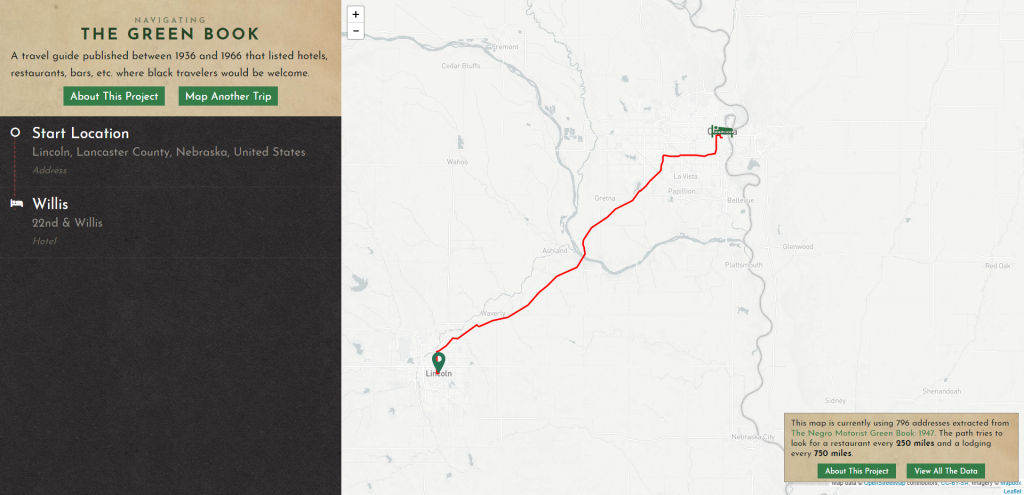
In Hopeless Times and Dreams of Flight, I attempt to unravel the mysteries of the American spirit through an examination of primary source interviews, the life history of Oscar Winchell, and a glitched image of a man and boy inspecting an aircraft. These three small collections of evidence have led me to conclude that the American spirit is a combination of individual ingenuity motivated by dreams for the benefit of a nation.
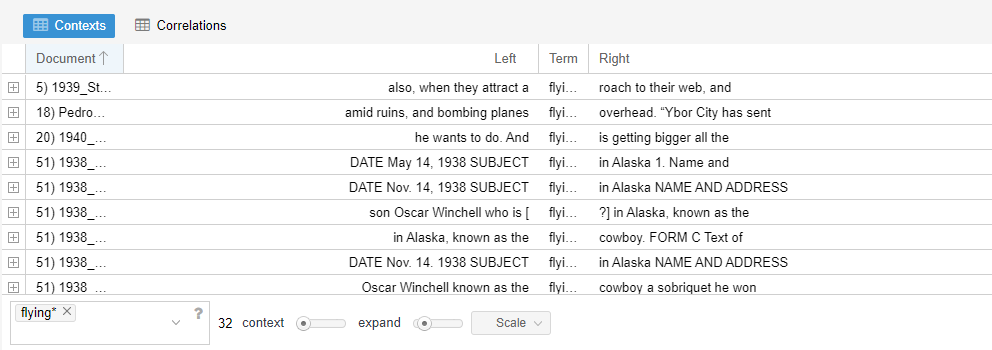
In the first portion of my final project, I employed Voyant Tools to develop a better understanding of how pilots managed to propel themselves into the skies during the Great Depression. I was inspired by Lauren Tilton’s article Race and Place: Dialect and the Construction of Southern Identity in the Ex-Slave Narratives. In her project, Tilton drew conclusions from distant readings of ex-slave narratives collected by the Federal Writer’s Project to understand how dialect segregated African Americans.1
From my own distant readings, I found that the individual drives of pilots brought them to the skies. Although they faced many difficulties, aviators during the Great Depression Era continued to live out their dreams of flight.
In the next portion of my project, I created a Story Map using Knight Lab’s StoryMapJS program. In her article Mapping Racism and Assessing the Success of the Digital Humanities, Sarah Bond argues that maps allow the public to easily access critical information regarding important subjects such as segregation.2
In my own project, I map the life of famed pilot Oscar Winchell and his many adventures. What I drew from this history is that although he was a superb aviator, Winchell was unable to control for many outside forces. In order to survive his flights, Winchell would often have to rely on the aid of others in order to survive. Only through a unified dedication to a cause could Winchell have managed his success.
For the final portion of my project, I created a glitched image of a man and a boy standing next to an airplane. I was motivated to create this image by Michael Kramer’s article Glitching History: Using Image Deformities to Rethink Agency and Authenticity in the 1960s American Folk Music Revival. In this piece, Kramer argues that historians can draw valuable information from images that have been tampered with and draw inspiration for new conclusions about previously discussed historical subjects.3
From my glitched image, I concluded that only through the guidance of President Roosevelt’s administration could the American people have overcome the crisis that was the Great Depression. Individual ingenuity has its limits, and overwhelming challenges require the employment of many different skills and talents in order to be met.
So, what exactly is the American spirit? The answer that I found through this project is that it cannot be captured in a simple, one-line sentence but, rather, is a mosaic of many different talents and abilities that have come together to achieve a greater cause.
The Federal One Project is described in an excerpt from Kenneth Binda’s book All This Music Belongs to the Nation: The WPA’s Federal Music Project and American Society as a coming together of many talented individuals to alleviate the unemployment crisis of the Great Depression.4
Pilots who flew during the Great Depression teach us that although one may have individual abilities, those talents are likely to be forgotten if not put to a higher purpose. The reason we remember President Roosevelt is not simply because of his time in office but because of what he did during that time. He dared to use the federal government to provide relief to the American people and brought his vision to life to lead the nation out of a crisis. Our nation is teeming with men and women just like Roosevelt, all that we must do is tap into this resource.